|
|
 مصر ترفض توقيع اتفاقية "مياه النيل" وموقف غامض للوفد السودانى باجتماع المجلس الوزارى لدول حوض مصر ترفض توقيع اتفاقية "مياه النيل" وموقف غامض للوفد السودانى باجتماع المجلس الوزارى لدول حوض
|
اقتباس:
أرسل أصلا بواسطة Hamdi Soliman
وموقف غامض للوفد السودانى باجتماع المجلس الوزارى لدول حوض النيل
مصر ترفض توقيع اتفاقية "مياه النيل"
السبت، 23 مايو 2009 - 21:39
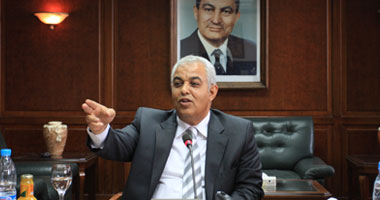
طالبت مصر بوجود بند صريح يحافظ على حقوقها التاريخية فى مياه النيل
كينشاسا (أ.ش.أ)
رفضت مصر الموافقة على توقيع الإطار القانونى والمؤسسى لمياه النيل "بدون وجود بند صريح يحافظ على حقوقها التاريخية فى مياه النيل".
وكان من المقرر أن يتم التوقيع على الإطار القانونى فى اجتماعات المجلس الوزارى لدول حوض النيل، والذى عقد فى الكونغو الديمقراطية أمس واليوم، ورأس وفد مصر فى هذه الاجتماعات الدكتور محمد نصر الدين علام وزير الموارد المائية والرى.
وأكد الدكتور نصر الدين علام فى تصريحات له عقب اجتماعات المجلس الوزارى لدول حوض النيل بكينشاسا اليوم السبت، أن مصر اشترطت للتوقيع على الإطار القانونى والمؤسسى أن تتضمن الاتفاقية فى البند "14 ب" الخاص بالأمن المائى، نصاً صريحاً يتضمن عدم المساس بحصة مصر وحقوقها التاريخية فى مياه النيل، وأن يتضمن البند رقم 8 من الاتفاق والخاص بالإطار المسبق عن أى مشروعات تقوم بها دول أعالى النيل، اتباع إجراءات البنك الدولى فى هذا الشأن صراحة وأن يتم إدراج هذه الإجراءات فى نص الاتفاقية وليس فى الملاحق الخاصة بها.
وأشار وزير الموارد المائية والرى إلى أن شروط مصر للتوقيع على هذا الاتفاق أكدت على ضرورة تعديل البند رقم "34 أ" و"34ب"، بحيث تكون جميع القرارات الخاصة بتعديل أى من بنود الاتفاقية أو الملاحق بالإجماع وليس بالأغلبية، وفى حالة التمسك بالأغلبية فيجب أن تشمل دولتى المصب "مصر والسودان" لتجنب انقسام دول الحوض ما بين دول المنابع التى تمثل الأغلبية ودولتى المصب والتى تمثل الأقلية.
وكانت السودان قد ذكرت فى بداية الاجتماع أنه قد تم رفع بند الأمن المائى إلى رؤساء دول حوض النيل لحل الخلاف حول صياغته منذ يونيه 2007، وأكد السودان أنه من الناحية الإجرائية لا يجب إعادة النظر فى هذا البند فى اجتماع المجلس الوزارى إلا بعد موافقة السادة رؤساء الدول على ذلك.
وقد غادر الوفد السودانى برئاسة المهندس كمال على وزير الموارد المائية والرى الاجتماع مباشرة بعد هذا التصريح، مبرراً مغادرته بارتباطات مسبقة فى الخرطوم.
موثع جريدة "اليوم السابع"
http://www.youm7.com/News.asp?NewsID=101922
|
|
 
|
|
|
|
|
|
|
|
Re: مصر ترفض توقيع اتفاقية "مياه النيل" وموقف غامض للوفد السودانى باجتماع المجلس الو (Re: Zomrawi Alweli)
|
وكانت السودان قد ذكرت فى بداية الاجتماع أنه قد تم رفع بند الأمن المائى إلى رؤساء دول حوض النيل لحل الخلاف حول صياغته منذ يونيه 2007، وأكد السودان أنه من الناحية الإجرائية لا يجب إعادة النظر فى هذا البند فى اجتماع المجلس الوزارى إلا بعد موافقة السادة رؤساء الدول على ذلك.
وقد غادر الوفد السودانى برئاسة المهندس كمال على وزير الموارد المائية والرى الاجتماع مباشرة بعد هذا التصريح، مبرراً مغادرته بارتباطات مسبقة فى الخرطوم.
هل يمكن معرفة الصياغة التي تمت في يوليو 2007 ؟ ولماذا لا يجب اعادة النظر في صياغتها؟؟
وهل اتفق السودان ومصر على تهميش الدول الافريقية (كينيا اوغندا رواندا وبروندي واثيوبيا) التي تنبع منها مياه النيل وماذا اذا ارادت هذه الدول الاستفادة الكاملة بعمل مشاريع تنموية لبلادها هل ستقوم السودان ومصر بالاستيلاء على هذه الدول؟؟؟ حرب المياه قادمة والسنين القادمة حبلى بالمفاجآت.
| |
|
|
|
|
|
|
|
|
|
Re: مصر ترفض توقيع اتفاقية "مياه النيل" وموقف غامض للوفد السودانى باجتماع المجلس الو (Re: بشير حسـن بشـير)
|
Quote: أكثر ما أدهشنى له فى هذا الموضوع
Quote: وقد غادر الوفد السودانى برئاسة المهندس كمال على وزير الموارد المائية والرى الاجتماع مباشرة بعد هذا التصريح، مبرراً مغادرته بارتباطات مسبقة فى الخرطوم. |
والله الموضوع دا فيه ايحاءات خطيرة
1 - ربما الحكومة السودانية زعلت من عمايل المصريين والذين دائما يستغلون ضعف حكوماتنا من عهد الاستعمار ويفتكرون انهم لا زالوا يحكموننا.
2 - ربما الوزير الذي لم تكن وزارته التي لم تستشر في بناء السدود غاضب من زج وزارته في هذه المعضلة.
3 - ربما لا اعلم
| |
|
|
|
|
|
|
|
|
|
Re: مصر ترفض توقيع اتفاقية "مياه النيل" وموقف غامض للوفد السودانى باجتماع المجلس الو (Re: بدر الدين اسحاق احمد)
|
الاخ بدرالدين لك التحية
بنود الإتفاقية
تنظم تلك الإتفاقية العلاقة المائية بين مصر ودول الهضبة الإستوائية ،كما تضمنت بنوداً تخص العلاقة المائية بين مصر و السودان وردت على النحو التالى فى الخطاب المرسل من رئيس الوزراء المصرى و المندوب السامى البريطانى:
إن الحكومة المصرية شديدة الإهتمام بتعمير السودان وتوافق على زيادة الكميات التى يستخدمها السودان من مياه النيل دون الإضرار بحقوق مصر الطبيعية والتاريخية فى تلك المياه .
توافق الحكومة المصرية على ما جاء بتقرير لجنة مياه النيل عام 1925 وتعتبره جزءاً لا ينفصل من هذا الاتفاق .
ألا تقام بغير اتفاق سابق مع الحكومة المصرية أعمال رى أو توليد قوى أو أى اجراءات على النيل وفروعه أو على البحيرات التى تنبع سواء من السودان أو البلاد الواقعة تحت الإدارة البريطانية من شأنها إنقاص مقدار المياه الذى يصل لمصر أو تعديل تاريخ وصوله أو تخفيض منسوبه على أى وجه يلحق ضرراً بمصالح مصر .
تقدم جميع التسهيلات للحكومة المصرية لعمل الدراسات والبحوث المائية لنهر النيل فى السودان ويمكنها إقامة أعمال هناك لزيادة مياه النيل لمصلحة مصر بالإتفاق مع السلطات المحلية . [2]
[تحرير] إتفاقية 1959
وقعت هذه الإتفاقية بالقاهرة فى نوفمبر 1959 بين مصر و السودان ، وجاءت مكملة لإتفاقية عام 1929 وليست لاغية لها ، حيث تشمل الضبط الكامل لمياه النيل الواصلة لكل من مصر والسودان فى ظل المتغيرات الجديدة التى ظهرت على الساحة آنذاك وهو الرغبة فى إنشاء السد العالى ومشروعات أعالى النيل لزيادة إيراد النهر وإقامة عدد من الخزانات فى أسوان .
[تحرير] بنود الإتفاقية
تضم إتفاقية الإنتفاع الكامل بمياه النيل على عدد من البنود من أهمها:
احتفاظ مصر بحقها المكتسب من مياه النيل وقدره 48 مليار متر مكعب سنوياً وكذلك حق السودان المقدر بأربعة مليار متر مكعب سنوياً .
موافقة الدولتين على قيام مصر بإنشاء السد العالى وقيام السودان بإنشاء خزان الروصيرص على النيل الأزرق وما يستتبعه من أعمال تلزم السودان لإستغلال حصته .
كما نص هذا البند على أن توزيع الفائدة المائية من السد العالى والبالغة 22 مليار متر مكعب سنوياً توزع على الدولتين بحيث يحصل السودان على 14.5 مليار متر مكعب وتحصل مصر على 7.5 مليار متر مكعب ليصل إجمالى حصة كل دولة سنوياً إلى 55.5 مليار متر مكعب لمصر و18.5 مليار متر مكعب للسودان .
قيام السودان بالاتفاق مع مصر على إنشاء مشروعات زيادة إيراد النهر بهدف استغلال المياه الضائعة فى بحر الجبل و بحر الزراف و بحر الغزال وفروعه و نهر السوباط وفروعه وحوض النيل الأبيض ، على أن يتم توزيع الفائدة المائية والتكلفة المالية الخاصة بتلك المشروعات مناصفة بين الدولتين .
إنشاء هيئة فنية دائمة مشتركة لمياه النيل بين مصر والسودان.
http://www.marefa.org/index.php/%D8%A7%D8%AA%D9%81%D8%A...84%D9%86%D9%8A%D9%84
| |
|
|
|
|
|
|
|
|
|
Re: مصر ترفض توقيع اتفاقية "مياه النيل" وموقف غامض للوفد السودانى باجتماع المجلس الو (Re: Zomrawi Alweli)
|
زمراوي سلام..
Quote: وأشار وزير الموارد المائية والرى إلى أن شروط مصر للتوقيع على هذا الاتفاق أكدت على ضرورة تعديل البند رقم "34 أ" و"34ب"، بحيث تكون جميع القرارات الخاصة بتعديل أى من بنود الاتفاقية أو الملاحق بالإجماع وليس بالأغلبية، وفى حالة التمسك بالأغلبية فيجب أن تشمل دولتى المصب "مصر والسودان" لتجنب انقسام دول الحوض ما بين دول المنابع التى تمثل الأغلبية ودولتى المصب والتى تمثل الأقلية.
|
مدام الوزير المصري بتكلم باسم البلدين..
وزيرنا القاعد ليها شنو?!
| Quote: إن الحكومة المصرية شديدة الإهتمام بتعمير السودان |
شوف الكلام ده من سنة 59 وقارنه بكلام المصري امبارح ..
الا يعني ذلك ان السودان ما زال تحت تبعيتهم?
انا على يقين بأن 90% من ازمات السودان وراها الأشقاء.
| |
|
|
|
|
|
|
|
|
|
Re: مصر ترفض توقيع اتفاقية "مياه النيل" وموقف غامض للوفد السودانى باجتماع المجلس الو (Re: محمد على طه الملك)
|
السؤال هل تستطيع مصر فرض ارادتها على الدول المشاركه فى حوض النيل الى الابد ,,,!!!
وهل الاتفاقيات التى وقعت فى عصر الاستعمار هى اتفاقيات ملزمه لدول حوض النيل التى لم تكن تمتمع باستقلالها وقت توقيع هذه الاتفاقيات
Quote: This article will critically analyze the major bilateral and multilateral agreements on use of the Nile River waters during the colonial period.
By taking each of the major treaties and agreements, the article will examine
their missions and objectives
[****]whether or not they were equitable or efficient,
whether or not they could be used as the basis for future cooperation between the riparian?
Their effects on the dynamics of the social and biophysical environments in the basin.
Major Nile Water-Related Treaties and Agreements
made during colonisation
Most of these consist only of an article in the treaties and agreements about colonial boundaries and economic territories. In chronological order:
The Anglo-Italian Protocol of April 15, 1891
Only Article III of this treaty refers to the Nile water. The remaining define the colonial territorial claims of Great Britain and Italy in East Africa. Article III states the following: "the Italian government engages not to construct on the Atbara river, in view of irrigation, any work which might sensibly modify its flow into the Nile". Neither this river flowed in the territory claimed by Italy nor was Italy colonizing a country near the Atbara river, in order to have a claim over the river. The reference to the Atbara River on the part of Britain made some sense as the Sudan and Egypt, through which the Atbara flows within colonial territory. The reason for Italy to sign such an agreement foregoing its irrigation development without receiving any benefit in return is unclear. Moreover, for Great Britain to be interested in including this reference in a treaty with a country at a distance of some thousands of kilometers from the Atbara River makes the essence of the agreement more irrelevant.
Hence, it appears that the intent of the treaty was not use of the Nile water, but to establish a colonial boundary. Given this context, the treaty cannot be seen as an agreement over property rights to the river. Even if, say, the treaty is assumed to define use rights to the river, what it meant by the term "sensibly modify the flow into the Nile"? The volume of Atbara water used upstream to be considered as a sensible modification by downstream users of Britain colonies is undefined. The language used is too vague to provide the parties with clear property rights and guarantees for water use. It is not unreasonable, therefore, for the remaining riparian to see no reason for this treaty to provide an historical base for binding present and future cooperation on Nile water use.
The Treaty between Great Britain and Ethiopia of May 15,1902
The aim of this treaty was to establish the border between Ethiopia and the Sudan. One of its articles, number III, related to the use of Nile water. The English version, as reviewed by Britain and later by the Sudan, read: "His Majesty the Emperor Menilik II, King of Kings of Ethiopia, engages himself towards the Government of His Britannic Majesty not to construct or allow to be constructed any work across the Blue Bile, Lake Tana, or the Sobat, which would arrest the flow of their waters except in agreement with His Britannic Majesty’s Government and the Government of Sudan" (Okidi, 1994:324; Tilahun, 1979). The Amharic version, however, gave a different meaning and understanding to Ethiopia (Abebe: 1994) and "was never ratified by this country"
The treaty was understood by Ethiopia s follows: securing and maintaining the prior agreement of Britain before construction of any work on the Nile tributaries; not to stop (arrest) the flow of the Nile rivers did not mean not to use; and, that the treaty was made between Britain (colonizer of the Sudan) but not with the Sudan as it was under the colonial power of Britannia. As Britain is no longer ruling the Sudan, this agreement does not hold at present.
The 1902 agreement has been the most controversial treaty in the history of Nile agreements as both parties claimed that their own understanding of the treaty was correct. And, not only has the claim remained controversial but it has also been the cause of disputes, which threaten the socio-political and economic dynamics of the basin environment and efforts toward future cooperation. This is because; first, referring to this agreement, Sudan has argued that Ethiopia should not use the Nile water without the permission of the Sudan. Second, the Sudanese claim has been supported by Egypt with the possibility of military retaliation if Ethiopia used the Nile water. Third, there is the possibility that this threat has played some role in Ethiopia’s extremely poor record in food production. Though poor agricultural policies have no doubt played the major role.
This controversy remained a threat to present and future cooperation over the Nile waters. However, the true meaning of this treaty is of little relevance today; and further investigation of the treaty is not the objective of this article. It is rather to look at the essence of this treaty in relation to sustainable Nile water development. By forbidding the Nile water from being arrested by Ethiopia, the treaty inadvertently advocated the principle of sustainable development. Whether or not its intent was out of concern over the impact of development of Nile waters on the environment is subject of much debate. Stopping a flow of a river creates an artificial lake that destroys ecological systems and often results in the relocation of people. However, it is unrealistic to believe that this treaty was predictive enough to anticipate the impact of water impoundment on biophysical and social systems in the basin, looking at its objectives and the time it was constituted.
The Agreement between Britain and the Government of the Independent State of the Congo on 9th May 1906
This was an agreement on the colonial boundary of the Congo between Britain and Belgium. The Congo being called an ‘independent state’ when the treaty was signed by the Government of Belgium on behalf of this country was hypocritical. Article III of the agreement was about the Nile waters and it stated that: "The Government of the independent state of the Congo undertakes not to construct, or allow to be constructed, any work over or near the Semliki or Isango river which would diminish the volume of water entering Lake Albert except in agreement with the Sudanese Government". Belgium signed this unfair agreement on behalf of the Congo; despite the agreement entirely favoring the downstream users of the Nile waters and restricting the people of the Congo from accessing their part of the Nile water without presenting anything in return for Congo foregoing its Nile water use.
The agreement did not require downstream users to consult the upstream countries for anything that they might do to the Nile waters. In this treaty, it is difficult to find any incentive for riparian that might enhance their future cooperation since it involved neither the principle of equitable water use nor the approach of integrated water development.
The 1901 Agreement between Britain and Italy over the Use of the River Gash
The agreement states: "the Government of Erythraea, while recognizing all its rights on the waters of the Gash and having regard to the requirements of the Colony, sees no difficulty in declaring that, in so far as the regime of the waters of that river are concerned, it will regulate its conduct in accordance with the principles of good neighbourship". Evidence is scarce, however, on whether or not the parties to the agreement were bound by this treaty; nevertheless, of all the treaties and agreements made during the colonial period it could be said that this agreement was the most equitable. Because of difficulty in ensuring equitable water use the agreement was defined and reinforced later by the "the Anglo- Egyptian Exchange of Notes" with subsequent detailed arrangements of 1925.
The exchanges of notes included technical provisions suitable for practical implementation as follows:" Quantified allocation, to each party, of water from the river Gash, flow regime terms and conditions for water allocation, and the amount of annual payment by the Sudan to Eritrea as a proportion of Sudanese revenues from irrigated cultivation at Kassala". This treaty is held by some of the riparian not to be binding because the colonial signatory governments are no longer present in the Nile basin; nevertheless it can be used as a basis for the effort being undertaken to establish cooperation among the riparian.
The Tripartite (Britain-France-Italy) Treaty of December 13, 1906
Article 4 (a) of this treaty dealt with the use of the Nile water in Ethiopia’s sub-basin. It states: "To act together... to safeguard; ... the interests of Great Britain and Egypt in the Nile Basin, more especially as regards the regulation of the waters of that river and its tributaries (due consideration being paid to local interests) without prejudice to Italian interests". This treaty denied " the absolute sovereignty" of Ethiopia over its water resource. It resulted in Ethiopia immediately notifying its rejection of the agreement by indicating that no country had the right to stop it using its own water resource.
Neither Ethiopia’s military power nor its international political and economic influence was strong enough to protect Ethiopia’s sovereign rights over its water resource. Ethiopia’s rejection of this agreement was a revision, if not retraction, of the May 15, 1902 treaty signed between Ethiopia and Britain.
The 1925 Exchange of Notes between Britain and Italy Concerning Lake TanaBritain and Italy had signed an agreement in 1919 over Lake Tana, of Ethiopia, which read in part as follows: "In view of the predominating interests of Great Britain in respect of the control of the waters of Lake Tana, Italy offers Great Britain her support, in order that she may obtain from Ethiopia the concession to carry out works of barrage in the lake itself..". In 1925, it was expanded as follows. "...Italy recognizes the prior hydraulic rights of Egypt and the Sudan... not to construct on the head waters of the Blue Nile and the White Nile (the Sobat) and their tributaries and affluents any work which might sensibly modify their flow into the main river." Ethiopia opposed this agreement and notified the parties of its objections as follows. To the Italian government:
The fact that you have come to an agreement, and the fact that you have thought it necessary to give us a joint notification of that agreement, make it clear that your intention is to exert pressure, and this in our view, at once raises a previous question. This question which calls for preliminary examination, must therefore be laid before the League of Nations.
And, to the Britannia government:
The British Government has already entered into negotiations with the Ethiopian Government in regard to its proposal, and we had imagined that, whether that proposal was carried into effect or not, the negotiations would have been concluded with us; we would never have suspected that the British Government would come to an agreement with another Government regarding our Lake.
When an explanation was required from the British and the Italian governments by the League of Nations, they denied challenging Ethiopia’s sovereignty over Lake Tana (Tilahun, 1970:90). Not withstanding, however there was no explicit mechanism enforcing the agreement. A reliable and self-enforcing mechanism that can protect the property rights of each stakeholder is essential if the principle of economically and ecologically sustainable international water development is to be applied.
The Agreement between Egypt and Anglo-Egyptian Sudan of 7th May 1929
According to Whittington and Guariso (1983:41), this agreement included the following:
[****]
Egypt and Sudan utilize 48 and 4 billion cubic meters of the Nile flow per year, respectively;
[****]The flow of the Nile during January 20 to July 15 (dry season) would be reserved for Egypt;
Egypt reserves the right to monitor the Nile flow in the upstream countries;
Egypt assumed the right to undertake Nile river related projects without the consent of upper riparian states
Egypt assumed the right to veto any construction projects that would affect her interests adversely
Egypt was still under British influence in 1929. Neither Sudan nor the remaining riparians a side from Ethiopia (which was too poor and weak to challenge this agreement) were independent. The roles of both referee and player were taken, in the process of this agreement, by Britain in the name of its colonial territories in order to favor one, Egypt, over the remaining riparians. So, the agreement was mainly to secure the Nile water for Egypt by limiting the rights of the Sudan and rejecting those of the remaining riparians. The agrement became a base for the next agreement, called The 1959 Nile Water Agreement which opened a door for Egypt and the Sudan to acquire rights to Nile water resources and for the full utilization of these waters by developing the Aswan High Dam with its huge impact on the biophysical and social (disposition of human settlement) environment of the basin.
The 1959 Nile Agreement between the Sudan and Egypt for Full Utilization of Nile waters.
In the 1950s, Egypt was planning the Aswan High Dam project to collect the entire annual flow of the Nile water (Collins, 1993). The Objective of the 1959 Agreement was to gain full control and utilization of the annual Nile flow. Before implementing the project, Egypt found it was important to seek a guarantee from the Sudan and international recognition for financing and technology of the dam. One of the financiers of the project, the International Bank for Reconstruction and Development (IBRD) required a secure water allocation for Sudan and compensation for the population to be dislocated due to the project.
In 1956 Sudan had become an independent country (Okidi, 1994) and wanted previous agreements which it saw as being unfair to be changed, so that it could pursue another agreement on the use of Nile water with Egypt. At the beginning of the talks, both Sudan and Egypt claimed large areas of irrigable land and amounts of Nile water: Sudan claimed 44 billion cubic meters of Nile water to irrigate 2.22 million hectares, while Egypt claimed even more water than Sudan that irrigates 7.1 million hectares (Howell, 1988). The debate over the claims delayed the agreement, but whether or not Sudan agreed, the construction of the Aswan High Dam was seen as a development priority for Egypt. One way or the other, the Sudan had to come to commit itself to the agreement.
Finally, in 1959, although neither the Sudan nor Egypt were contributors to the Nile water but only users, the Agreement for the Full Utilization of the Nile Waters was signed between Sudan and Egypt without inviting them to join the agreement or otherwise obtaining the consensus of other riparian countries. The agreement contained the following main points:
[****]
The controversy on the quantity of average annual Nile flow was settled and agreed to be about 84 billion cubic meters measured at Aswan High Dam, in Egypt.
[****]The agreement allowed the entire average annual flow of the Nile to be shard among the Sudan and Egypt at 18.5 and 55.5 billion cubic meters, respectively.
Anual water loss due to evaporation and other factors were agreed to be about 10 billion cubic meters. This quantity would be deducted from the Nile yield before share was assigned to Egypt and Sudan.
Sudan, in agreement with Egypt, would construct projects that would enhance the Nile flow by preventing evaporation losses in the Sudd swamps of the White Nile located in the southern Sudan. The cost and benefit of same to be divided equally between them. If claim would come from the remaining riparian countries over the Nile water resource, both the Sudan and Egypt shall, together, handle the claims.
If the claim prevails and the Nile water has to be shared with another riparian state, that allocated amount would be deducted from the Sudan’s and Egypt’s and allocations/shares in equal parts of Nile volume measured at Aswan.
The agreement granted Egypt the right to constructs the Aswan High Dam that can store the entire annual Nile River flow of a year.
It granted the Sudan to construct the Rosaries Dam on the Blue Nile and, to develop other irrigation and hydroelectric power generation until it fully utilizes its Nile share.
A Permanent Joint Technical Commission to be established to secure the technical cooperation between them.
Why the IBRD did not give greater consideration to the rights of the other riparian countries is a mystery. Irrigation, hydroelectric power, and water supply projects developed under the Aswan High Dam project have become the basis for Egypt to claim historical water rights over and above those of the remaining riparians in the basin. This claim has created an unfavorable climate for the development of future riparian cooperation in the basin.
Besides exacerbating the developing conflict over water allocation (equity), the dam has had adverse impacts on the basin’s ecosystems. Due to the large impoundment created by the dam, there are several species that are new to the basin’s environment. These include the malaria mosquito (Cope et al., 1995: 145) and Bilharzia parasites (Abdelwahab et al., 1993: 697-700). Also, since the construction of the Aswan High Dam in 1964, erosion in the delta has increased greatly, trapping Nile sediments in Aswan Lake (Fanos, 1995: 821-27).
In conclusion, as discussed above, none of the treaties and agreements dealing with the use of Nile waters signed during the colonial period involved all the riparian countries and they did not deal equitably with the interests of these riparians. Also they did not take in to account the impact of water development on the basin social and biophysical environment. In the next part, I will try to look at how the current generations of riparians have reacted towards the above problems after the end of the colonialism. |
برتوكول التعاون بين دول حوض النيل فى عام 1999 صاغته مصر حسب مصالحها واستنادا على الاتفاقيات السابقه التى تعطى مصر حق الفيتو والوصايه على مياه النيل
كل المشاريع التى طرحت اخيرا كانت مشاريع تهدف الى زياده واردات مياه بحيث تحصل مصر لوحدها على 50% من اى كميه اضافيه
وكذلك مقايضه دول حوض النيل وخاصه اثيوبيا والسودان بتخزيم المياه فى اراضيهما مقابل السماح لهم بانتاج الكهرباء
كثال
سد مروى وباقى السدود فى الشمال والجنوب
سد جيبى 1 و2 و3 فى اثيوبيا
كلها سدود لانتاج الكهرباء فقط ولايحق لكل من السودان واثيوبيا استخدام هذه المياه للرى والزراعه
الا وفق حصصهم المقرره
على ان لاتتضرر حصه مصر فى مياه النيل
ومصر منذ بدايات القرن السابق تخطط لاقامه الكثير من المشاريع فى دول حوض النيل التى تحقق لها حصه اضافيه من مياه النيل
نفذت فى خمسينات القرن الماضى مشروع (اوين ) وبداءت مشروع قناة جونقلى الذى توقف بسبب حرب الجنوب ويبدوا انها نجحت فى اتفاق مستقل مع حكومه الجنوب فى اعاده العمل فى هذا المشروع بمرحلتيه
اضافه الى باقى المشاريع الاخرى فى جنوب السودان
Quote: Egypt's Projects in the Upper Nile Region
The Charter of Integration between Egypt and the Sudan is the first of its kind. The most important results of that Charter are as follows:-
1- The Jonglei Canal Project in Bahr al- Jabal and Bahr az- Zaraf Area
It aims to prevent wasting water in the swamps of this area, due to evaporation,which is estimated to be about 15 billion cubic meters. However the project stopped because of the security situation in the region.
2- The Mashar Swamps Project
It aims to collect the lost water from Mashar swamps and Sobat River as the latter losses about 4 billion cubic meters in one course.
3- The Northern Bahr al- Ghazal Project
It is a great swamp where water moves slowly, thus leading to the loss of great amount by evaporation. Bahr el Ghazal's total area is 521 square kilometers. This project depends on digging a canal to collect water in the northern part of Bahr al- Ghazal and convey it to the White Nile.
4- The Southern Bahr al- Ghazal Project
It also aims at digging a canal to collect the rivers waters in the south of Bahr al- Ghazal, and divert them eastward to Bahr al-Jabal at Chambi Village. The quantity of disbursed water in northern and southern regions is 12 (BCM) per annum.
- These projects are related to other ones undertaken by Egypt, such as storage projects in the equatorial lakes, lakes Victoria, Kyoga and Albert. These projects will save about 15 (BCM) divided between Egypt and Sudan.
- Moreover, Egypt participates with Ethiopia and Uganda in the execution of some projects and establishing power generation stations. In addition, there is a full grouping composed of engineers, scientists, experts, technicians, administrators besides disinfection and maintenance equipment that disinfect the river courses and the tributaries that supply the Nile with water throughout the year at the Egyptian government's expense. This mission also writes periodical reports on the weather, climate, rainfalls and their rates over the year, that are submitted to the governments of the Nile Basin Countries |
رغم ان دول حوض النيل نالت استقلالها وتحررت من الاستعمار الاوربى الا انها لازلت قابعه تحت الاستعمار المصرى الذى يحرمهم من ابسط حقوقهم فى الانتفاع من المياه التى تنبع من اراضيهم
هذا السيف المصرى المسلط على رقاب سكان حوض النيل سيكون السبب فى اندلاع الحروب وتحويل المنطقه الى برك دماء بدلا من برك المياه
مصر لابد ان تفهم انها لايمكن لها احتكار الجزء الاكبر من المياه بحجه الحق التاريخى واعتمادا على اتفاقيات لااعتقد انها ملزمه لدول حوض النيل
اذا لم تعيد مصر النظر فى مواقفها ستجد نفسها امام مواجهه قويه من باقى دول حوض النيل
رغم نجاحها فى شراء ذمم انظمه حاكمه مثل السودان واثيوبيا الا ان هذا الانر لن يستمر
لان هذه الدول ستمر بازمات ومجاعات بسبب عدم قدرتهم على الاستفاده من مياههم ما يدفع الامور الى التصعيد
| |
|
|
|
|
|
|
|
|
|
Re: مصر ترفض توقيع اتفاقية "مياه النيل" وموقف غامض للوفد السودانى باجتماع المجلس الو (Re: خليل عيسى خليل)
|
سانقل هذه الفقره التى وردت فى كتاب (النيل والمستقبل) لمؤلفه عبد التواب عبد الحى المصرى الجنسيه
الناشر مركز الابحاث للترجمه والنشر موسسه الاهرام
طبع فى مطابع الاهرام التجاريه ..القاهره ..مصر
التوزيع - وكالة الاهرام للتوزيع (شارع الجلاء - القاهره)
الطبعة الاولى 1409 هجريه 1988 ميلاديه
لكى يعرفوا كيف كانت الاداره المصريه تنظر الى جون قارنق من خلال مواقفه من الاداره المصريه التى لخصها فى رسالته للدكتوراه عن مشروع قناه جونقلى
النص وارد فى الصفحه63و64
Quote: (وجون قارنق هو صاحب عصا الهجوم على مشروع قناة جونقلى التى نواصل المشوار اليها حاليا ز
والتى تضاهى فى قيمتها اهميه السد العالى
فضلا عن توفيرها ل 30%من ايرادات النيل تقسم بين مصر والسودان
لتروى مليونى فدان من اراضى التوسع الزراعى فى البلدين..
هاجم جون قارنق مشروع قناة جونقلى فى البدايه هجوما اكاديميا فى رساله الدكتوراه باحدى الجامعات الامريكيه
فيها انتقد المشروع الضخم وادعى ان له اثار سلبيه سيئه على البيئه والسكان ..
وانه فى النهايه مشروع من تاليف العرب فى شمال السودان
لمصلحتهم ولمصلحه المصريين
نال جون قارنق الدكتوراة على رسالته المسمومه
ولكنه لم يكتف بذلك وفى فبراير 1984 اغار بقواته على موقع الحفار الضخم (ساره)
واختطف المهندسين الفرنسين الذين يديرون عمليات الحفر وتوقف العمل فى المشروع تماما |
)
وكتب المؤلف ايضا
Quote: ( من رحم انانيا خرج تنظيم جون قارنق مع اختلاف تكتيكى بسيط فى ايديولوجيه التنظيم
يدثر روح الانفصال فى غلاله وحدويه ) |
ـــــــــــــ انتهى النص المنقول ــــــــــ
هكذا كانت الادارة المصريه تنظر للراحل جون قرنق لانه صاحب موقف واضح بخصوص قناه جونقلى
وهى تتلخص فى قوميه المشروع والوقوف بشده امام استفاده دوله اخرى من مياه السودان
وهذا الموقف يحسب للراحل الدكتور جون قرنق واعتقد انه دفع حياته ثمنا لهذا الموقف
| |
|
|
|
|
|
|
|
|
|
Re: مصر ترفض توقيع اتفاقية "مياه النيل" وموقف غامض للوفد السودانى باجتماع المجلس الو (Re: خليل عيسى خليل)
|
فى هذا الجزء ساقوم بنقل المشاريع المائيه التى خططت مصر لاقامتها فى السودان منذ القرن الماضى
مايلى خلاصه ما كتبه الكاتب عبد التواب عبد الحى ( النيل والمستقبل )
الصفحات 235 و254 و255
Quote: وهى عدد 3 مشاريع فى السودان ومشروع رابع فى اثيوبيا
ولنبداء اولا بمشاريع السودان
المشروع الاول
قناة جونقلى
يتم العمل فيه على مرحلتين
المرحله الاولى توفر 4 مليار متر مكعب من المياه
المرحله الثانيه توفر 3.5 مليار متر مكعب
المجموع 7.5 مليار متر مكعب
المشروع الثانى
تقليل الفاقد فى مستنقعات مشار وحوض السوباط
يوفر 4 مليار متر مكعب من المياه
المشروع الثالث
انقاذ الفاقد فى مستنقعات بحر الغزال
يوفر 7 مليار متر مكعب من المياه
اجمالى الامتار المكعبه من المياه
18.5 مليار متر مكعب
كل هذه الكميه المتوفره تخطط مصر لتقاسمها مع السودان ....!!!
اليس فى امكان السودان تنفيذ هذه المشاريع لوحده والاستفاده من المياه التى تعادل فى كميتها حصه السودان من مياه النيل وبذلك ترفع حصتها الى 37 مليار متر مكعب سنويا
علما ان تكلفه تنفيذ هذه المشاريع اقل من تكلفه اقامه سد واحد
والعائد من هذه المشاريع هو 18.5 مليار متر مكعب من المياه قيمتها حسب سعر المتر المكعب حاليا
( حوالى دولار للمتر الكعب )
اكثر من 18 مليار دولار ( وهذا السعر سيرتفع كثيرا بسبب ندرة المياه فى العالم وربما يصل سعر المتر الكعب من المياه الى اكثر من 10 دولار للمتر المكعب فى السنوات القادمه )
قيمة هذه المياه اكبر من قيمه الكهرباء المنتجه فى كل السدود باكثر من اربعه اضعاف
للتوضيح قام الكاتب بحساب تكلفه هذه المشاريع فى وقت اصدار الكتاب
( الاسعار حسبت فى الاعوام بين 1977 و1988ميلاديه)
مشروع قناه جونقلى بمرحلتيه 770 مليون جنيه مصرى
مشروع مشار 80 مليون جنيه
مشروع بحر الغزال 180 مليون جنيه
المجموع 1.030 مليون جنيه ( حوالى مليار) |
كما ورد فى الكتاب مشروع رابع يقام فى اثيوبيا
سانقل النص المكتوب بالكامل
| |
|
|
|
|
|
|
|
|
|
Re: مصر ترفض توقيع اتفاقية "مياه النيل" وموقف غامض للوفد السودانى باجتماع المجلس الو (Re: محمد على طه الملك)
|
منقول من موقع
http://en.afrik.com/article15667.html
Quote: Ethiopia - Egypt: A tug of war over the Nile basin
Egypt makes offers but Ethiopia won’t budge |
| Quote: Saturday 9 May 2009, by Desalegn Sisay |
Quote: had been criticized for his weak negotiations on Nile issues. Egypt claims his replacement was due to a health related problem. Dr. Mohamed Nasr Eldin Allam, the new minister, is touring Nile riparian countries, a move criticised as lobbying to maintain Egypt’s grip on the Nile basin.
The visiting minister held closed door discussions with top Ethiopian Government officials, including Asfaw Dingamo, Minister of Water Resource. Talking to the press, Mr. Asfaw Dingamo indicated that Dr. Eldin Allam had expressed his country’s (Egypt) willingness to cooperate with Ethiopia and also provide Ethiopian water experts with a high level all-expense-paid training. “We accepted the new Egyptian minister’s offer,” Asfaw said. The training will be conducted by an Egyptian based training institute which offers short term Applied Training Programmes to all Nile countries, and is run by The Nile Basin.
The offer, however, does little to change Ethiopia’s unrelenting position on regulations affecting the subject of Nile sharing since negotiations among all Nile countries began, about a decade ago. The negotiations aim to amend an exclusive 1959 agreement signed between Egypt and Sudan that expressly excluded Ethiopia, despite the country’s 85 per cent contribution to the Nile’s water resource. Ethiopia’s insistence on protecting other riparian countries, while demanding that the Nile sharing programme should be free of any agreements that may prove detrimental to some countries, remains the main bone of contention.
An Ethiopian proposed article that deals with the possibility of water sharing without causing significant harm to other riparian countries has caused negotiating countries to split into two major blocks: Upper riparian countries, consisting of a host of countries under Ethiopia’s leadership including Uganda, Kenya, Tanzania, Democratic Republic of Congo (DRC) and Burundi; and lower riparian countries, made up of Egypt and Sudan.
The two lower riparian countries, Egypt and Sudan, have indicated that they will not endorse the Ethipian proposed article unless a clause that guarantees that there will be no damage to water security is inserted. However, this clause if accepted, will allow the two countries to continue using the Nile water resource intensively and extensively, experts say. The division has halted the Nile Basin Ministerial Council sponsored negotiation process.
“We explained our stance to the Egyptian Minister and told him to lighten the gloomy negotiations,” Asfaw told Capital.
The Democratic Republic of Congo (DRC) is the current chair of the Nile Council of Ministers, however, Egypt will take over in the month of July, which may give it an opportunity to influence other nations. But before then, a final conference, to be hosted by DRC is expected to highlight a three point proposal that could improve Ethiopia’s position if endorsed by the Nile Basin member countries, Mr. Asfaw said. |
http://www.tigraionline.com/
(عدل بواسطة خليل عيسى خليل on 05-27-2009, 01:12 PM)
| |
|
|
|
|
|
|
احدث المقالات بسودانيزاونلاين اليوم
| |

 Zomrawi Alweli
 اسعد الريفى
 بشير حسـن بشـير
 بدر الدين اسحاق احمد

 محمد على طه الملك


 فيس بوك
 تويتر
تويتر
 انستقرام
 يوتيوب
 بنتيريست