| 10-24-2026, 04:36 AM |
محمد عبدالله ابراهيم
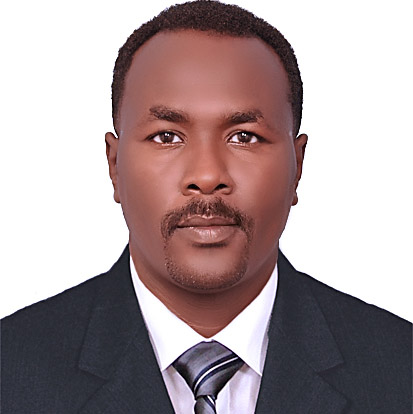 محمد عبدالله ابراهيم
Registered: 12-21-2015
Total Posts: 149
|
|
 Renewal of the Fact-Finding Mission’s Mandate: Can Evidence Pave the Way for Justice and Redress fo |
04:36 AM October, 23 2026 Sudanese Online
محمد عبدالله ابراهيم-الخرطوم-السودان
My Library
Short URL
Renewal of the Fact-Finding Mission’s Mandate: Can Evidence Pave the Way for Justice and Redress for Victims؟ (2-2)
The international community’s responsibility towards the victims of the war in Sudan extends beyond renewing the mandate of the Fact-Finding Mission and reaffirming the importance of its continued investigations. It requires translating this commitment into practical measures that strengthen the Mission’s ability to carry out its mandate effectively and independently. This includes facilitating access to sites of violations, evidence, and witnesses; removing all obstacles that hinder its work; and ensuring that its investigative findings are utilised through legal and institutional processes that advance accountability and safeguard victims’ rights to justice, redress, and reparations.
This responsibility is particularly significant amid the ongoing conflict, the widening scope of violations, and the growing number of affected areas, all of which present considerable challenges to field access and independent investigations. The existence of an international mission mandated to investigate is not, in itself, sufficient to ensure its effectiveness unless it can access the locations where violations occurred and the sources of evidence and information. To this end, the international community must exert pressure on the parties to the conflict and the relevant authorities to allow the Mission’s investigators to enter Sudan and ensure their safe, unrestricted, and unhindered access to affected areas, detention facilities, healthcare institutions, and all other locations relevant to its investigations, including territories under the control of the various parties to the conflict.
However, the requirements of an effective investigation extend beyond securing physical access to sites of violations. They also involve establishing safe and trusted channels of communication with victims, witnesses, and affected communities, particularly internally displaced persons and refugees. Many individuals who possess important information about violations may be unaware of the Mission’s mandate or how to contact it, while others may hesitate to provide testimony for fear of threats or retaliation, or because they lack confidence in the effectiveness of the investigations. Accordingly, the Mission must develop effective and secure communication mechanisms that enable affected individuals to voluntarily provide testimony and information, while taking account of their circumstances and needs and implementing the necessary measures to minimise any risks arising from their cooperation.
Sudanese civil society organisations can play a pivotal role in strengthening communication between the Mission and affected communities, drawing on their knowledge of local contexts and their established relationships with victims, survivors, internally displaced persons, and refugees. This role can help raise awareness of the Mission’s mandate, facilitate the submission of information and testimonies, and promote understanding of the importance of documentation in uncovering violations. Making this role effective requires institutional partnerships based on shared professional standards, alongside the use of local expertise and capacities to improve the quality of documentation, coordinate efforts, and avoid unnecessarily subjecting victims to repeated interviews. It also requires training and technical support for human rights organisations and initiatives, strengthening their capacity to handle, preserve, and refer sensitive information securely to the competent authorities, while respecting victims’ privacy.
Within this framework, the Mission, in cooperation with Sudanese civil society organisations, must develop a clear, accessible, and practical guide explaining its mandate, channels of communication, the types of incidents and information that may be submitted, the professional principles governing the documentation of violations, and how to handle documents, photographs, and video recordings while preserving their original files. The guide must also provide instructions on protecting the identities of victims and witnesses, securely submitting information, and taking appropriate action when facing threats. It should further clarify the limits of the Mission’s mandate and what individuals can reasonably expect from its investigations. It is essential that this guide be made widely available in accessible written, audio, and simplified video formats, in the languages and local dialects appropriate to affected areas, while taking into account the needs of persons with disabilities and groups facing barriers to accessing information. Developing and disseminating this guide should form an integral part of the Mission’s efforts to enable victims and witnesses to participate safely and with a clear understanding of the investigative process.
These efforts are particularly important when engaging with groups facing heightened risks, especially survivors of sexual violence, children, persons with disabilities, families of missing persons, internally displaced persons, and refugees. Their differing circumstances and needs require safe and appropriate communication methods that respect the particular circumstances of each case, individual autonomy, and the right to voluntary participation. Moreover, attention to victims must not be limited to collecting their testimonies and documenting the violations they have suffered. It must also extend to facilitating access to healthcare, psychological and social support, legal assistance, and urgent protection, in coordination with the relevant organisations and authorities, within their respective mandates and capacities.
In supporting pathways to justice and accountability, greater practical coordination between the Fact-Finding Mission and relevant regional and international mechanisms is essential, particularly the African Commission on Human and Peoples’ Rights, the International Criminal Court, and the Office of the United Nations High Commissioner for Human Rights. This requires developing effective cooperation frameworks that facilitate the exchange of information and expertise and enable investigative findings to be used in accordance with the applicable legal rules and the mandates governing each institution, while ensuring source confidentiality and protecting the rights of victims and witnesses. Credible investigative findings may provide an important foundation for advancing justice. This makes stronger coordination between investigative and accountability mechanisms necessary to help move from documenting violations towards meaningful legal proceedings against those responsible, while safeguarding judicial independence and respecting fair trial guarantees.
Investigations should not be confined to identifying those directly responsible for committing violations. Where the evidence warrants it, they must also examine the roles of individuals and entities that may have contributed to financing, facilitating, or sustaining such violations. This includes investigating financing and arms supply networks and other forms of support connected to the violations, and assessing potential responsibility on the basis of evidence and relevant legal standards. Such an approach would provide a more comprehensive understanding of the actors concerned and the nature of their involvement. Where sufficient evidence exists, the findings of these investigations must support the necessary legal measures to pursue and hold those responsible accountable before competent judicial authorities, ensuring that no individual whose responsibility is established escapes accountability, regardless of their position, status, or affiliation.
The international community, particularly the states that supported the renewal of the Mission’s mandate, bears a special responsibility to translate its endorsement and support into practical commitments that ensure the effectiveness and continuity of investigations. This requires providing the Mission with stable and adequate funding, strengthening its institutional and technical capacities, ensuring the resources necessary to protect evidence, information, and witnesses, and facilitating cooperation with relevant accountability mechanisms. These essential requirements must not remain dependent on temporary support or political calculations. The seriousness of international commitment cannot be measured by voting in favour of a resolution alone, but rather by the willingness to provide the resources and safeguards that enable the Mission to fulfil its mandate independently and effectively, and to ensure that its findings contribute to justice and redress for victims.
At the same time, strengthening investigative capacities must not come at the expense of the urgent responsibility to protect civilians and bring ongoing violations to an end. Investigating crimes does not absolve the parties to the conflict of their legal obligations to protect civilian populations. Nor can documenting the suffering of internally displaced persons, besieged communities, and others affected by the war substitute for ensuring humanitarian access and meeting their basic needs. Humanitarian response and the investigation of violations must not be treated as competing priorities, with one pursued at the expense of the other. Both are essential to protecting human life and safeguarding fundamental rights.
Genuine protection is not limited to saving civilians from immediate danger; it also encompasses their right to truth, justice, redress, and accountability for the violations they have suffered. The true human rights significance of renewing the mandate of the Fact-Finding Mission for Sudan cannot therefore be measured solely by the duration of its mandate or the continuation of investigations, but by the extent to which the Mission can contribute to justice, redress, and reparations for victims. The rights of those affected must not remain hostage to successive mandate renewals without the resources, mechanisms, and safeguards necessary to translate investigative findings into meaningful pathways towards accountability. What is at stake extends beyond the future of a United Nations mission. It concerns the future of war-affected communities’ rights to truth, justice, and redress, and the international community’s willingness to fulfil its responsibilities in confronting impunity.
The true test for the international community lies not in its ability to ensure that investigations continue, but in its willingness to translate their findings into concrete legal measures that lead to accountability for those responsible for violations, provide redress to victims, and safeguard their rights to justice and reparations. Sustainable peace cannot be built on ignoring crimes and violations or disregarding the rights of those affected. Rather, it requires establishing the truth, delivering justice, ending impunity, and providing reparations that restore victims’ dignity and recognition of their rights. Ultimately, the genuine value of renewing the Mission’s mandate depends on translating these principles into concrete commitments and action, so that justice does not remain a promise repeatedly renewed through international resolutions, but becomes an enforceable right whose realisation must not be obstructed by political calculations or postponed under the pretext of the continuing war.
Mohamed Abdallah Ibrahim
mohammedabdalluh2000@gmail.com
|
|
   
|

|

|

|
|
|




 فيس بوك
 جوجل بلس
 تويتر
 انستقرام
 يوتيوب
 بنتيريست